finding the Fairtale 1st Prize Winner: Hunger in haflong is Half-done
by Mandira Pattnaik
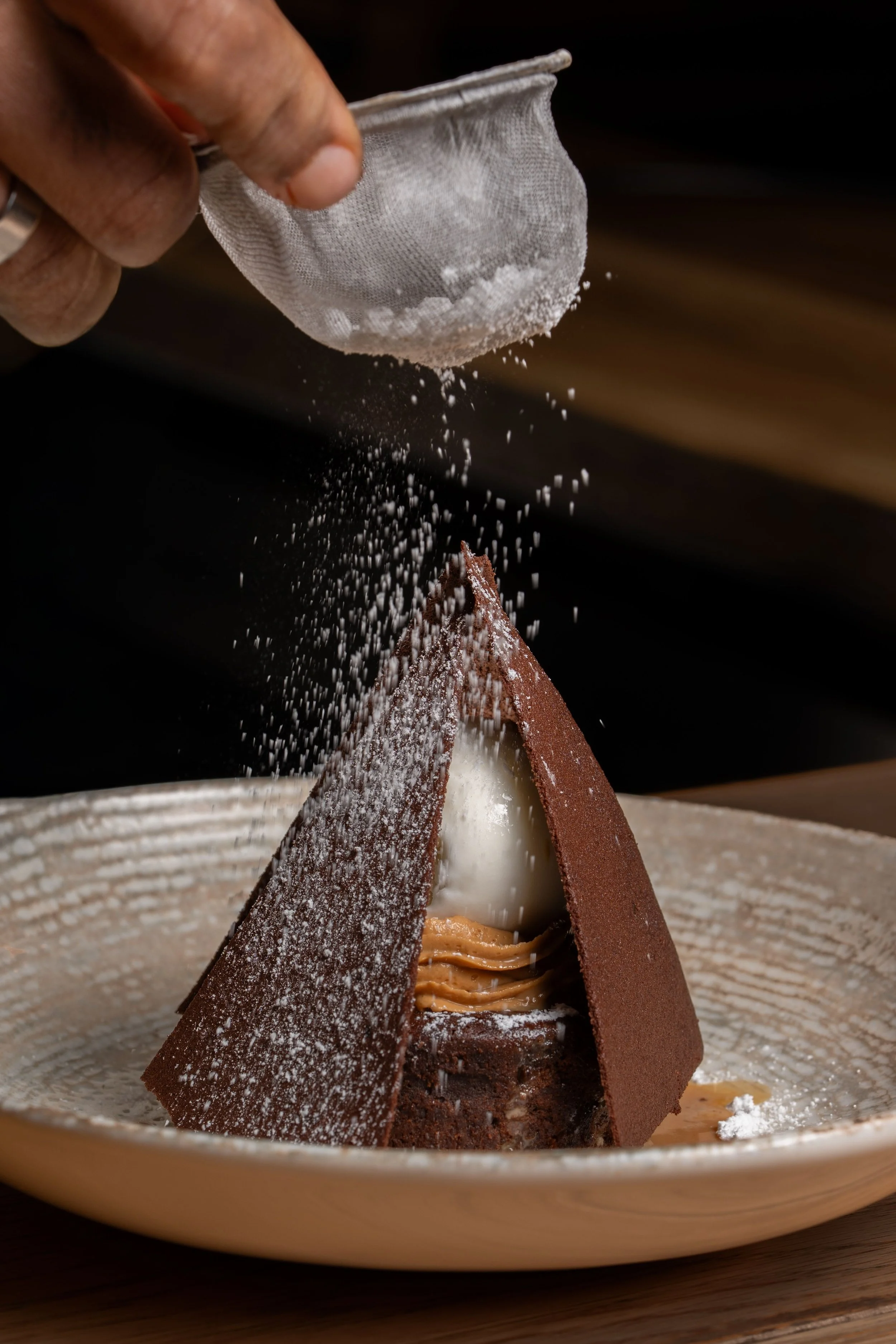
Image by: Nano Erdozain
It all began when the hungry people in my village at Haflong, Assam, had enough to eat to their heart’s content. One day they’d be satiated with endless plates of bamboo shoots and axone; on another they’d devour chicken and pork momos served piping hot. Oddly flavoured banana- chips, and ragi idlis followed, kormas and stuffed brinjals next. Nobody bothered where they came from, nobody saw anyone prepare them. Food would just appear endlessly on pop-up picnic tables at every mealtime and people trekked short distances to have their fill. If anyone doubted, one of us would be ready with a response: Do you question where the air comes from? We talked about food, like people talk about the air. We even used similar adjectives, saying to each other: it was pleasant and breezy (if we had had fluffy pooris), or said, it was moist but calming (when we consumed rice with copious amounts of curry), or chatted that it was smoky-hot (when served roasted chicken or lamb or pork, sometimes sliced so thin, we easily went overboard with greed, had more than our guts would carry). It never fell short of what we could eat, and no one slept hungry.
Earlier, our fathers tilled the fields all day, returned with tumorous lungs and soiled notes. And our mothers? They had too much to do, because our fathers nursed huge patriarchal sensibilities. Mothers, always semi-starved, rickety thin, were busy keeping the menfolk happy. Days were about cutting and chopping seasonal vegetables, the right shape and thickness to the hand-rolled chapatis, the exact amount of tea supplied at intervals, and hours sitting around the clay-oven, or gathering twigs to light the fire the next day. And how to forget the added worries — like being mindful of the taste preferences of each family member, like my grandmother wanted extra salt, my brothers wanted flavours on the spicier side, Father and Uncle loved a bit of sourness.
Because everyone worked so hard, we managed to survive. We went to bed every night thinking about food — always so delicious — and at the same time, cursing the space left unfilled in our stomachs. My sisters and I always thinking we could eat a little more if we had.
Now, with the endless edibles on picnic tables, the women enjoyed their waking hours, sat in the shade of the guava tree, knitted and chatted — all the time in the world. They soon became glowing with health and happiness.
The men didn’t need to earn anymore. Father took my brothers to watch bull-fighting in Madurai, and then they said they might visit Chaibasa or Champaran, or someplace I hadn’t heard of. They said they would check back on us to see if we missed them, and then decide if they wanted to return. We weren’t likely to do so either.
By the time, the little red bearded men appeared, we had forgotten what hunger means. They were pretty much like elves, set up shops under tarpaulins, and took over corner-shops. Banners and pamphlets dropped; they were selling weird looking things we hadn’t ever seen before. No one even came nearby. Sure no one was going to buy those. Why would we? We were used to our routine of free meals.
Then the little red bearded men went door-to-door. Pyramid-shaped milk chocolates handed out, and supplied with a dare to the womenfolk for good measure. If you answered them correctly you could win two. Next day, they came offering two and two for the dare — What was the chocolate filled with — honey or almond?
My mother was the lucky one, every day her haul multiplied. She set up her own neighbourhood counter to sell the pyramid-shaped milk chocolates because, after all, we couldn’t eat all we won. How quickly everyone became addicted!
People flaunted their purchases, slipping a chocolate between their lips for every random reason, or none at all. Mother and I licked one, or broke it lovingly and shared, like when we couldn’t sleep, at odd hours, passed it over our tongues, between teeth, and slid it down our throats like some ancient precious petal.
We woke up one morning to find the little red bearded men gone. We searched for them down the streets, in every nook and corner, and in each other’s homes. Alas, they were not to be found. Their bags of chocolates still remained, left where they were, in street corners, and on tables, abandoned in the corner shops, left carelessly in a hurry. Pity, all that remained had melted, and the rats nibbled at the gooey residue.
Several days passed in unremarkable ordinariness. Except, before long, in spite of the abundant free food, it was craving, or greed, or hunger, that we remembered again.
end
This lyrical short story transports readers to a utopian world where food is as abundant as air, and hunger has become a distant memory. What we loved about Mandira’s story is the fundamental question it raises: is hunger merely a physiological need? If hunger were no longer possible, what vulnerabilities would remain? Could people still be tempted? how? and how long would it take before they remember hunger again? This story explores these fundamental questions while taking readers on a rich cultural and culinary journey through Haflong.
The Fairtales editors’ team
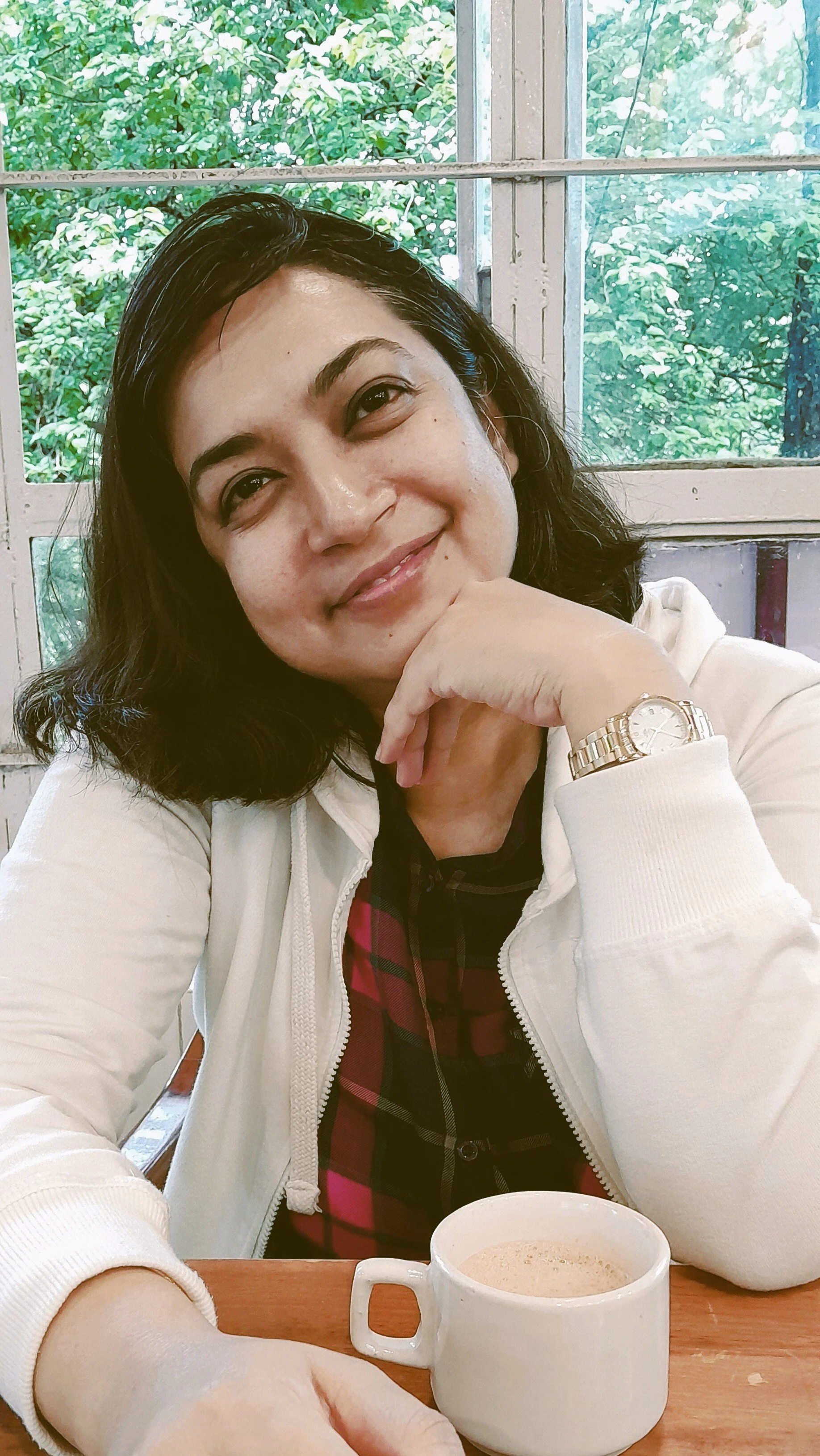
Mandira Pattnaik has published in SAND, The Rumpus, Wigleaf Top 50 (2023, 2025), Best Microfiction (2024) and Best Small Fiction Anthologies (2021, 2024). Her books include “Glass/Fire” (2024), "Where We Set Our Easel" (2023) and “White Hot Moon” (forthcoming). Visit mandirapattnaik.com for more about her writing.